In pharmaceutical manufacturing, steam is not a single utility. It may be used to sterilize product-contact equipment, heat process vessels, humidify cleanrooms, drive autoclaves, or support critical process operations. Specifying the wrong steam grade can create validation risk, operational complexity, and unnecessary capital cost. That is why the distinction between pure steam vs clean steam matters for plant engineers, validation teams, and procurement managers.
This guide explains the definitions, generation methods, quality attributes, testing expectations, applications, and selection logic for pure steam and clean steam. It is written for pharmaceutical plant engineers and procurement teams who need a practical B2B framework rather than consumer-level descriptions.
Definitions: Pure Steam vs Clean Steam
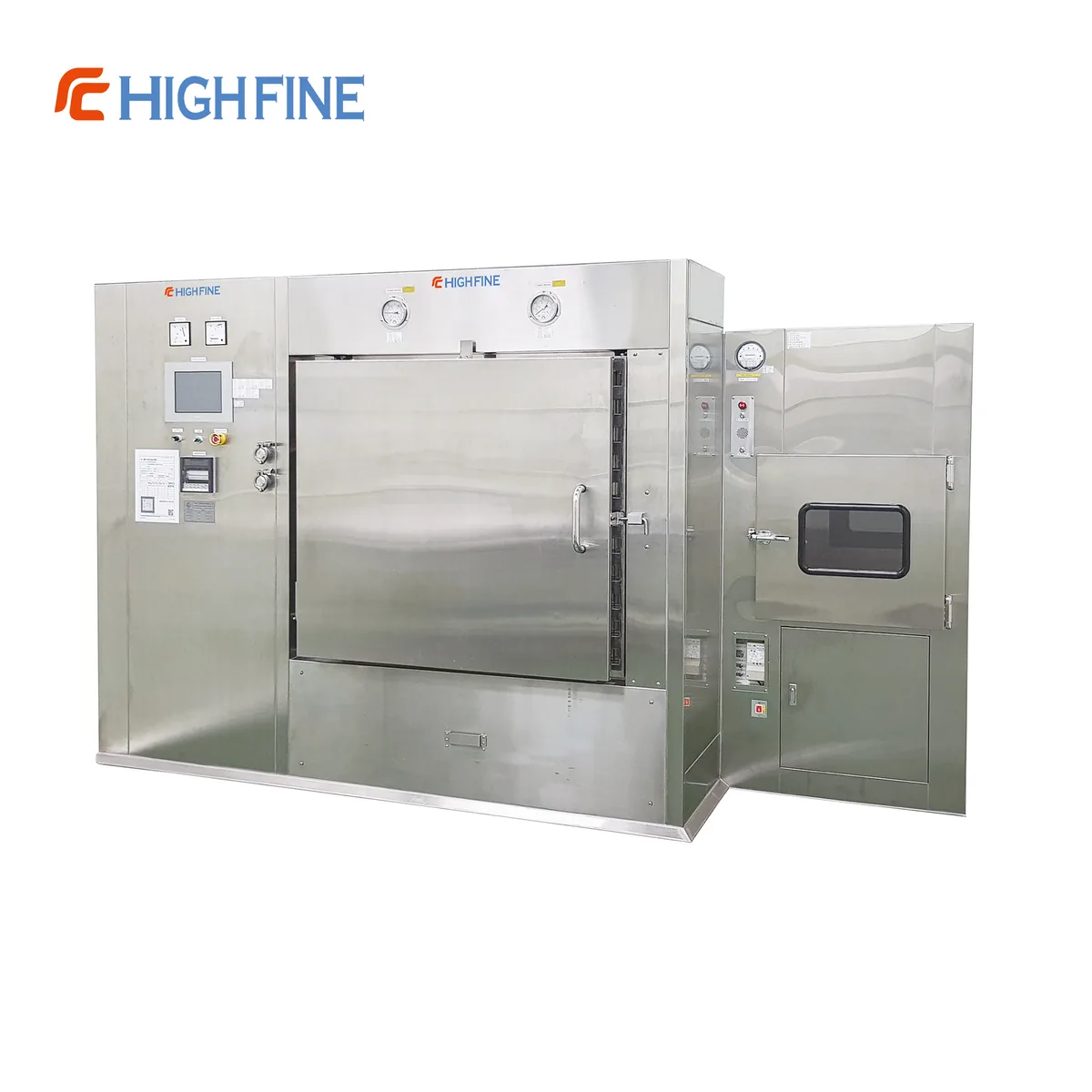
What Is USP Pure Steam?
In pharmaceutical manufacturing, USP pure steam is generally understood as steam whose condensate meets Water for Injection (WFI) quality. The steam itself is not tested as a gas in the same way as water; rather, the condensate is collected and evaluated against pharmacopeial expectations for WFI. This means the quality of pure steam is tied to the quality of the condensate it produces.
Pure steam is used where steam or condensate may contact product, product-contact surfaces, sterile equipment, or critical cleanroom environments. Because the condensate must meet WFI quality, pure steam generation and distribution require careful design to prevent contamination, carryover, and stagnation. Pure steam is not simply boiler steam that has passed through a filter. It is a controlled utility generated from a suitable feedwater source and managed as part of a validated pharmaceutical system.
Key points about pure steam include:
- It is defined by condensate quality, not by the visible appearance of the steam.
- It is associated with WFI-compliant condensate in pharmacopeial contexts.
- It is used in sterilization, cleanroom humidification, and critical process operations.
- It requires controlled generation, distribution, sampling, and monitoring.
- It is not interchangeable with ordinary plant steam or culinary steam.
What Is Clean Steam or Culinary Steam?
Clean steam is often used as an umbrella term for steam that has been treated to remove or reduce contaminants compared with ordinary plant steam. In many industrial contexts, clean steam is produced from filtered plant steam and may also be called culinary steam when it is intended for applications such as direct injection into food or beverage processes, though terminology varies by industry.
Terminology varies: in some facilities, "clean steam" refers to filtered plant steam or steam from treated feedwater; in others, it is used interchangeably with pure steam. It may be used for process heating, humidification in non-critical areas, or other duties where steam does not contact product and does not need to meet WFI condensate quality. Always confirm the specification behind the label. Clean steam is a useful utility, but it is not automatically a pharmacopeial grade. The term “clean” should not be treated as equivalent to “pure” unless the specification and validation program support that claim.
Key points about clean steam include:
- It is typically filtered plant steam or steam generated from treated feedwater.
- It is not defined by WFI-quality condensate unless specifically designed and validated for that purpose.
- It is often used for non-product-contact heating, utility humidification, and general process duties.
- It may be appropriate where the risk of product contact is low or absent.
- It should not be used for product-contact sterilization or critical cleanroom humidification unless justified by risk assessment and validation.
Why the Distinction Matters
The choice between pure steam vs clean steam affects the entire utility lifecycle: generation, distribution, materials, instrumentation, sampling, validation, maintenance, and documentation. A clean steam system may be less demanding than a pure steam system, but it is not suitable for every pharmaceutical duty. Conversely, using pure steam in every possible application can add cost and complexity without a corresponding patient-risk benefit.
The central question is not “Which steam is better?” The central question is “Where can steam or condensate go, and what quality does that contact require?” If steam or condensate can contact product, product-contact surfaces, or sterile components, the quality requirement is usually higher. If steam is used only in a closed heating loop or a non-product-contact utility, clean steam may be appropriate. This risk-based logic is the foundation of steam system selection.
Generation Methods
Pure Steam Generation
Pure steam is typically generated from purified water using a dedicated pure steam generator. The generator uses a heat source to evaporate the feedwater, and the resulting steam is separated from liquid droplets before distribution. The design must manage carryover, entrainment, and contamination risks. Because the condensate must meet WFI quality, the feedwater source, generator materials, distribution piping, and sampling points are all part of the controlled system.
Pure steam generators are often integrated with pharmaceutical water systems and heated by plant steam or another utility heat source, depending on facility design. The key principle is controlled generation from a suitable feedwater source, with separation and distribution design that protects condensate quality. Pure steam systems also require appropriate drainage, venting, and monitoring to support validation and routine operation.
Clean Steam Generation
Clean steam is commonly produced from treated boiler feedwater and then filtered to reduce particulate carryover. In some facilities, clean steam is generated from a dedicated clean steam generator; in others, it is filtered plant steam. The design may include filtration, separation, and controls to protect downstream equipment. Clean steam systems are often used for process heating, autoclave jackets, humidification in lower-risk areas, and other duties where product contact is not expected.
The term “clean steam” does not by itself define a pharmacopeial quality standard. A facility that intends to use clean steam in a pharmaceutical application should define the required quality attributes, operating controls, monitoring frequency, and validation approach. If product contact is possible, the system should be evaluated as a potential pure steam application or otherwise justified through risk assessment.
Quality Attributes and Testing
Steam quality attributes depend on the grade and application. For pure steam, the focus is on condensate quality and on steam physical characteristics that affect sterilization performance. For clean steam, the focus is typically on cleanliness, filtration effectiveness, and suitability for the intended non-product-contact duty.
Condensate Conductivity
Condensate conductivity is a core quality attribute for pure steam because it provides an indication of dissolved ionic contamination in the condensate. For pure steam, condensate conductivity is evaluated against pharmacopeial expectations for WFI. For clean steam, conductivity may be monitored as a performance indicator, but it does not by itself establish WFI quality. Conductivity testing should be supported by appropriate sampling procedures, cooling, and instrument calibration.
Endotoxin
Endotoxin is a critical attribute for pure steam used in product-contact and sterile applications. Because USP pure steam is defined by condensate meeting WFI quality, endotoxin testing is relevant to pure steam validation and monitoring. Clean steam is not automatically required to meet endotoxin limits, but any application with product contact or sterile surface contact should be evaluated carefully. Testing should be performed using suitable methods and documented as part of the validation program.
Dryness, Superheat, and Non-Condensable Gases
For steam used in sterilization, physical steam quality attributes such as dryness, superheat, and non-condensable gases are important. EN 285 and HTM 01-01 (formerly HTM 2010) are commonly referenced as industry references for steam quality testing in sterilization contexts. These attributes matter because wet steam, excessive superheat, or non-condensable gases can affect heat transfer and sterilization performance.
Dryness relates to the amount of liquid entrained in the steam. Superheat refers to steam heated above its saturation temperature at a given pressure. Non-condensable gases can interfere with steam penetration and sterilization efficacy. Testing should be performed using recognized methods and interpreted within the validated operating envelope of the equipment. For pure steam vs clean steam selection, these attributes are especially relevant when steam contacts sterile loads or product-contact surfaces.
Sampling and Monitoring
A pure steam system should include representative sampling points for condensate testing. Sampling should account for cooling, flow, purge time, and sample handling to avoid false results. Clean steam systems may also require monitoring, but the test plan should reflect the lower-risk application and the defined quality requirements. Routine monitoring should be risk-based, documented, and linked to change control.
Applications: Where Each Steam Grade Is Used
Sterilization-in-Place (SIP)
SIP is a high-risk application because steam contacts product-contact surfaces and sterile equipment. Pure steam is commonly required for SIP where condensate may contact product-contact surfaces or where the equipment is used in sterile manufacturing. Clean steam is generally not sufficient for SIP unless the application has been specifically evaluated and validated, and even then the user should confirm that the steam meets the required quality attributes.
Autoclaves
Autoclaves may use steam for chamber sterilization and jacket heating. The chamber steam that contacts sterile loads or product-contact items is typically held to a higher quality standard than jacket steam. Pure steam is often specified for chamber sterilization in pharmaceutical applications, while clean steam may be used for jacket heating or non-product-contact duties. The final selection depends on load configuration, product contact risk, and validation requirements.
Cleanroom Humidification
Cleanroom humidification can be a significant source of steam demand. In critical cleanrooms, pure steam is often preferred because steam enters the controlled environment and may contact surfaces or product. In lower-risk areas, clean steam may be acceptable if the risk assessment supports it and the steam quality is controlled. The humidification system should be designed to avoid droplet carryover, contamination, and microbial risk.
Process Heating
Process heating often uses clean steam because the steam is contained in a jacket, coil, or heat exchanger and does not contact product. In these cases, the key requirements are reliable heat transfer, appropriate materials, and prevention of cross-contamination. If a heat exchanger leaks, the risk assessment should consider whether product contact is possible and whether the steam grade should be upgraded.
When Each Grade Is Required
Pure steam is generally required when steam or condensate contacts product, product-contact surfaces, sterile equipment, or critical cleanroom environments. It is also appropriate when the user must demonstrate WFI-quality condensate as part of validation. Typical examples include SIP, autoclave chamber sterilization, critical cleanroom humidification, and critical process operations.
Clean steam is generally appropriate when steam is used in a closed utility loop, for non-product-contact heating, or for humidification in areas where the risk assessment supports a lower grade. Clean steam may also be used for autoclave jackets and other indirect duties. However, the term “clean steam” should not be used to avoid a risk assessment. If product contact is possible, the system should be evaluated against pure steam requirements.
Selection Guidance for Pure Steam vs Clean Steam
A practical selection process should include the following steps:
- Map every steam use point. Identify whether steam or condensate can contact product, product-contact surfaces, sterile components, or critical cleanroom air.
- Define the required quality standard. Determine whether WFI-quality condensate is required or whether a defined clean steam specification is sufficient.
- Review the risk assessment. Consider failure modes such as carryover, leakage, stagnation, and contamination.
- Evaluate generation and distribution. Confirm that the generator, piping, filtration, drainage, and sampling design support the intended quality.
- Define testing and monitoring. Include condensate conductivity, endotoxin where applicable, and sterilization steam quality attributes where relevant.
- Plan validation and change control. Document the rationale for the selected grade and maintain it through system changes.
- Consider lifecycle cost. Pure steam systems typically require more controls, but they may be necessary for compliance and patient safety.
For many pharmaceutical projects, the most effective approach is to separate high-risk and low-risk steam duties. Use pure steam where product contact or sterile surface contact is possible. Use clean steam where the application is truly indirect and the risk assessment supports it. This avoids over-specifying low-risk utilities while protecting critical operations.
How HIGHFINE PHARMATECH CO., LTD Supports Pure Steam Applications
HIGHFINE PHARMATECH CO., LTD is a Sino-foreign joint venture pharmaceutical equipment manufacturer founded in 1992, as described on the company website. The company is located at No. 379 Zhonghua East Road, Haimen City, Jiangsu Province, China.
For pharmaceutical plant engineers evaluating pure steam vs clean steam, the company’s pure steam generator produces sterile pyrogen-free steam with WFI-compliant condensate and, per company specifications, over 99% contaminant removal, including endotoxins. Pure steam of this grade is typically specified for SIP, autoclave chamber sterilization, and critical cleanroom humidification, as discussed above. Certificates available upon request.
FAQ: Pure Steam vs Clean Steam
Is clean steam the same as pure steam?
No. Clean steam is generally filtered plant steam or steam generated from treated feedwater for non-product-contact or lower-risk duties. Pure steam is defined by condensate meeting WFI quality and is used where product contact, sterile surface contact, or critical cleanroom humidification requires a higher standard.
Can filtered plant steam be used for SIP?
SIP is generally a high-risk application because steam contacts product-contact surfaces and sterile equipment. Pure steam is commonly required. Clean steam should not be used for SIP unless the application has been specifically evaluated, validated, and shown to meet the required quality attributes.
What tests are relevant for pure steam?
Relevant tests include condensate conductivity, endotoxin where applicable, and steam physical quality attributes such as dryness, superheat, and non-condensable gases. EN 285 and HTM 01-01 (formerly HTM 2010) are commonly referenced as industry references for sterilization steam quality testing. The exact test plan should be based on the application and validation requirements.
Where is clean steam acceptable?
Clean steam may be acceptable for closed-loop process heating, autoclave jackets, and humidification in lower-risk areas where steam does not contact product and the risk assessment supports the lower grade. The decision should be documented and supported by the facility’s quality system.
How should a procurement team choose between pure steam vs clean steam?
Start with contact risk. If steam or condensate can contact product, product-contact surfaces, sterile equipment, or critical cleanroom environments, evaluate pure steam. If the duty is indirect and non-product-contact, clean steam may be appropriate. The final choice should be supported by risk assessment, validation, and lifecycle cost analysis.
Get a System QuoteTalk to a Water System Engineer
Start the conversation
Talk to a Water System Engineer
30+ years of pharma water projects. No sales script.